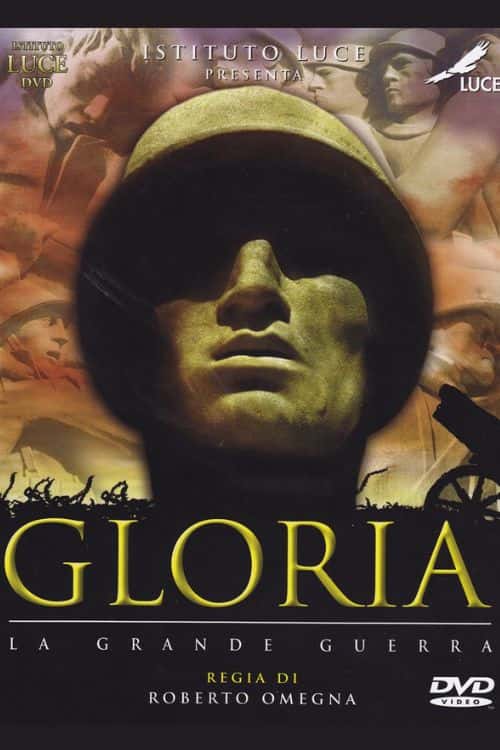
Roberto Omegna
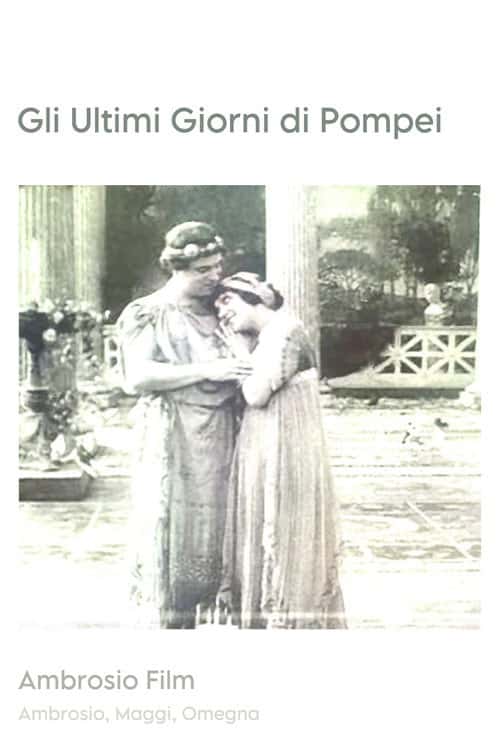
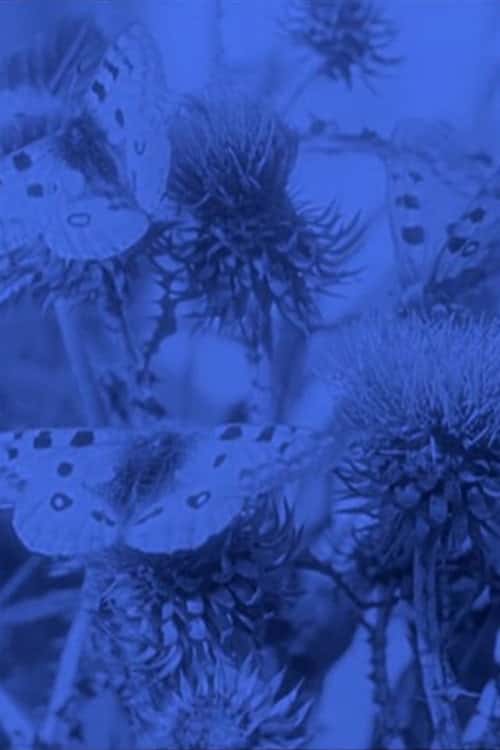
Roberto Omegna, (born May 28, 1876, Turin, Italy—died Nov. 9, 1948, Turin), motion picture cameraman, director, and producer ofdocumentaries, one of the pioneers of the Italian cinema. His thorough research and filmmaking skills place him in the forefront of early documentarians. After receiving degrees in physics and mathematics, Omegna attended the Bassi and Ristori school of acting in Turin. In 1901 he and a partner opened the Edison Cinema in Turin, where he began to make short travel documentaries to both show at his theatre and sell to other exhibitors. He helped found the Ambrosio film studio in 1905 and went on to produce almost 100 films during his 18-year tenure with the company, serving as artistic director for all films and sometimes as cameraman or director (or both) as well. A pioneer of the documentary, Omegna produced some of the first films on travel, nature, and medicine. These includedTraversata del Chaco (1906; “Crossing the Chaco”), Buenos Aires (1906),Matrimonio abissino (1908; “Abyssinian Wedding”), La caccia al leopardo (1908; “Hunting the Leopard”), La neuropatolagia (1908; “Neuropathology”), Usi e costumi indiani (1911; “Customs and Practices of India”), Templi indiani (1911; “Indian Temples”), Una fabbrica di ombrelli in Birmania (1911; “An Umbrella Factory in Burma”), Funerali cinesi (1911; “Chinese Funerals”), and La vita delle farfalle (1911; “The Life of Butterflies”). In 1926 Omegna joined the management of LUCE (Union for Educational Cinematography), whose acronym spells the Italian word for “light.” From 1926 to 1942 he produced some 150 scientific and educational documentaries, mostly for schools and universities; they were also well received by the general public. Several of his works, including Uno sguardo al fondo del mare (1936; “A Look at the Bottom of the Sea”) and Un mondo meraviglioso (1938; “A Wonderful World”)—both of which received awards at the Festival of Venice—remain interesting and scientifically accurate even today. (Encyclopaedia Britannica)