Lennart Meri
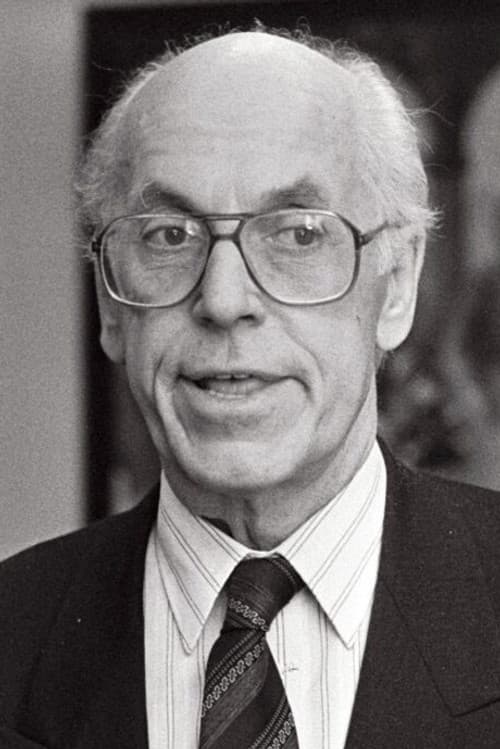
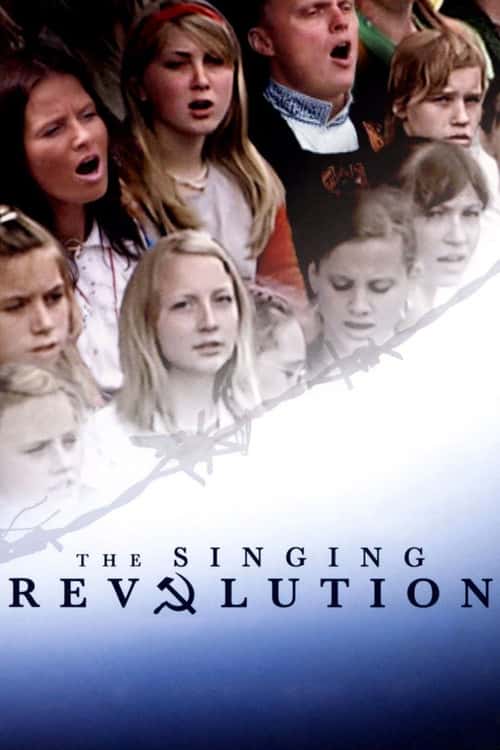
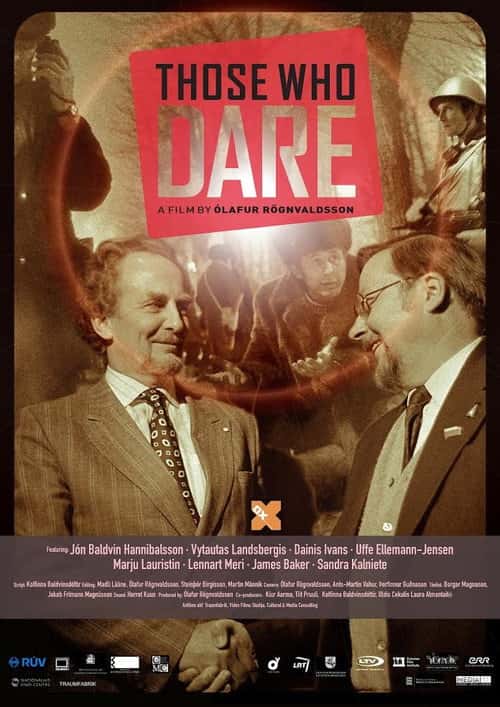
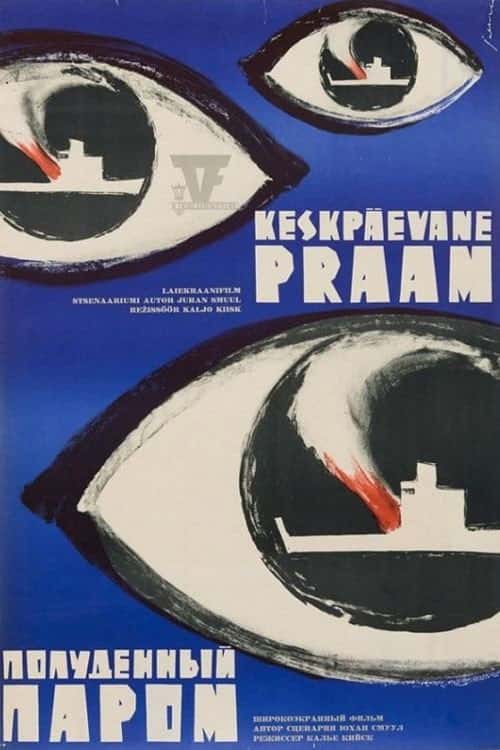
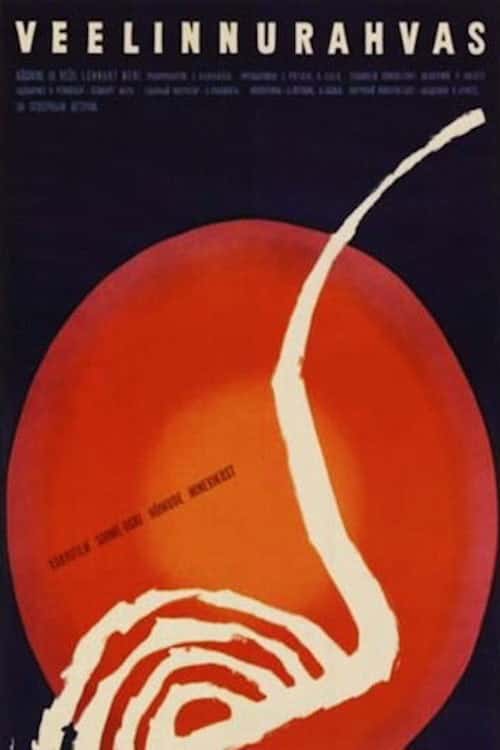
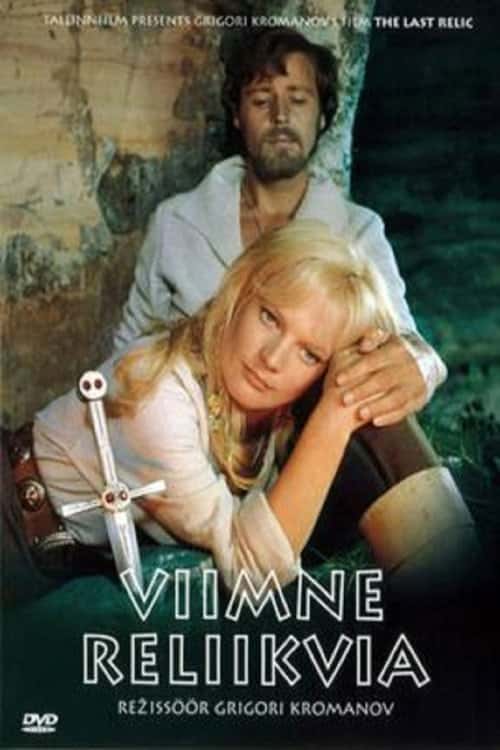
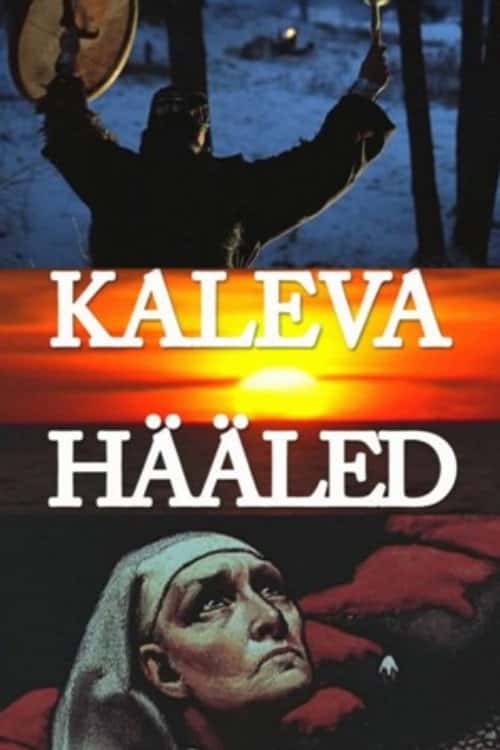
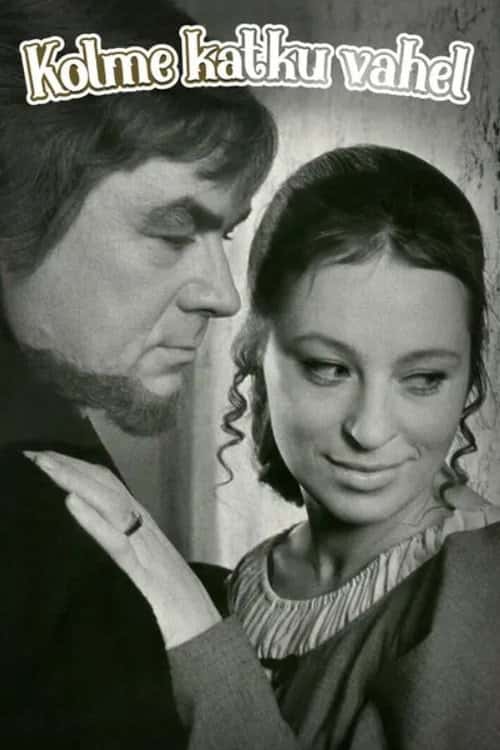
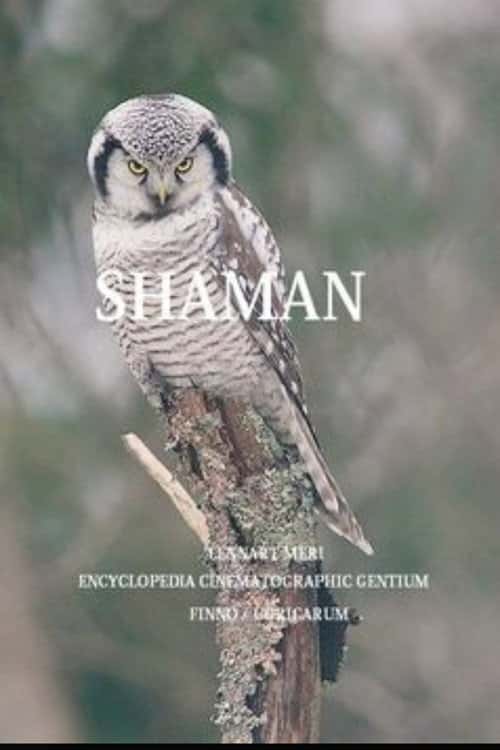
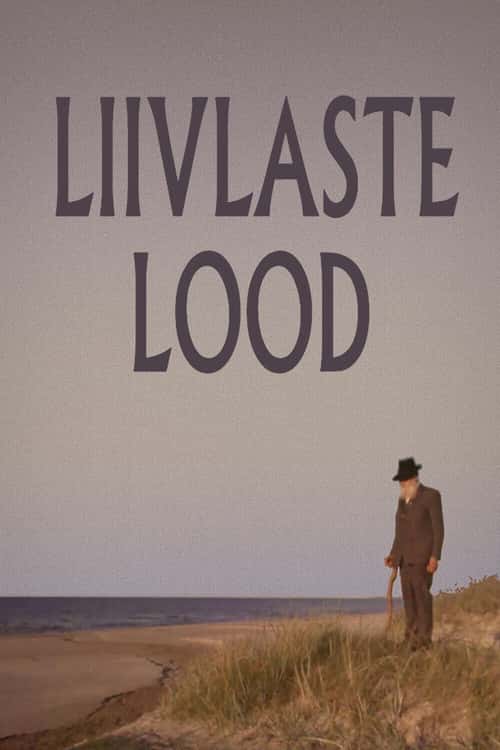
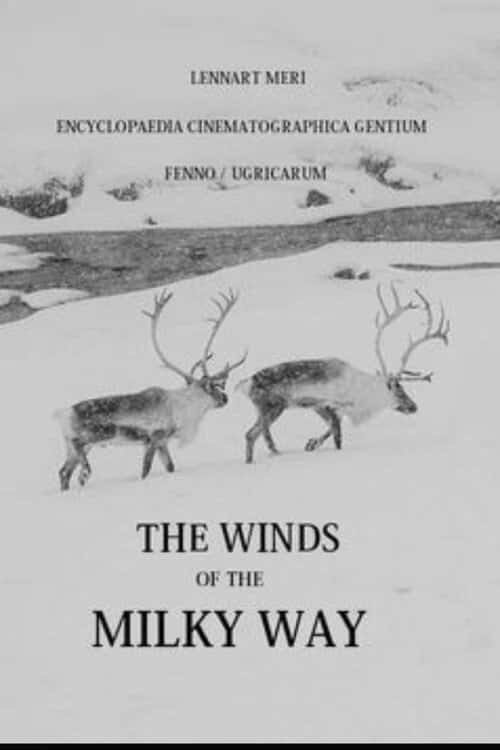
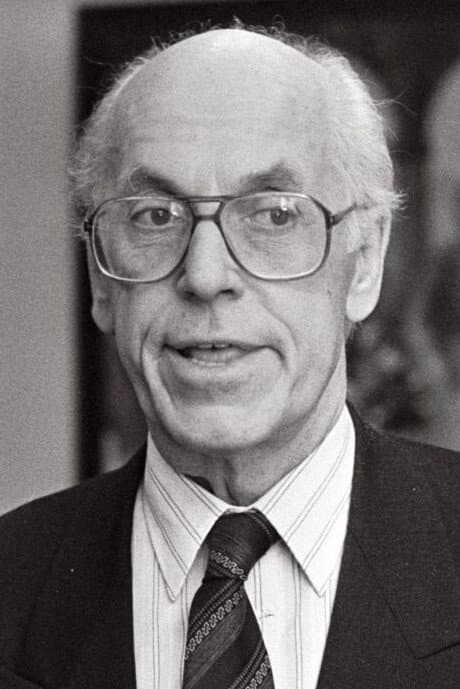
Lennart Georg Meri (Estonian pronunciation: [ˈlenˑɑrt ˈgeorg ˈmeri]; March 29, 1929 – March 14, 2006) was an Estonian politician, writer, and film director. He served as the second president of Estonia from 1992 to 2001. Meri was among the leaders of the movement to restore Estonian independence from the Soviet Union. Meri was born in Tallinn, a son of the Estonian diplomat and later Shakespeare translator Georg Meri, and Estonian Swedish mother Alice-Brigitta Engmann. With his family, Lennart left Estonia at an early age and studied abroad, in nine different schools and in four different languages. His warmest memories were from his school years in Lycée Janson de Sailly in Paris. In addition to his native Estonian, Lennart Meri fluently spoke five other languages: Finnish, French, German, English and Russian. Lennart Meri and his family were in Tallinn when Estonia became occupied by the Soviet Union armed forces in June 1940. The extended Meri family was split in the middle, half of whom opposed, the other half who supported the Soviet Union. Lennart's cousin Arnold Meri joined the Red Army and was soon made a Hero of the Soviet Union. In 1941, the Meri family was deported to Siberia along with thousands of other Estonians, Latvians and Lithuanians sharing the same fate. Heads of the family were separated from their families and shut into concentration camps where only a few survived. At the age of twelve, Lennart Meri worked as a lumberman in Siberia. He also worked as a potato peeler and a rafter to support his family. Whilst in exile, Lennart Meri grew interested in the other Uralic languages that he heard around him, the language family of which his native Estonian is also a part. His interest in the ethnic and cultural kinship amongst the scattered Uralic family had been a lifelong theme within his work. The Meri family survived and found their way back to Estonia where Lennart Meri graduated cum laude from the Faculty of History and Languages of the University of Tartu in 1953. On 5 March 1953, the day of Joseph Stalin's death, he proposed to his first wife Regina Meri, saying "Let us remember this happy day forever." The politics of the Soviet Union did not allow him to work as a historian, so Meri found work as a dramatist in the Vanemuine, the oldest theatre of Estonia, and later on as a producer of radio plays in the Estonian broadcasting industry. Several of his films were released and have since gained great critical acclaim.