堀川弘通
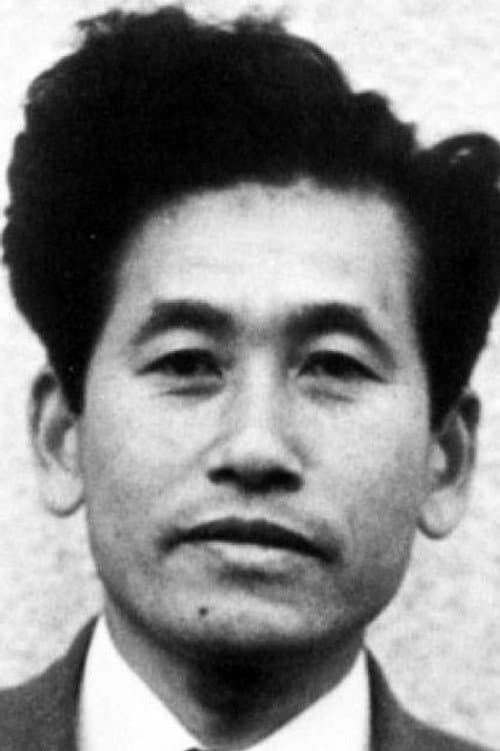
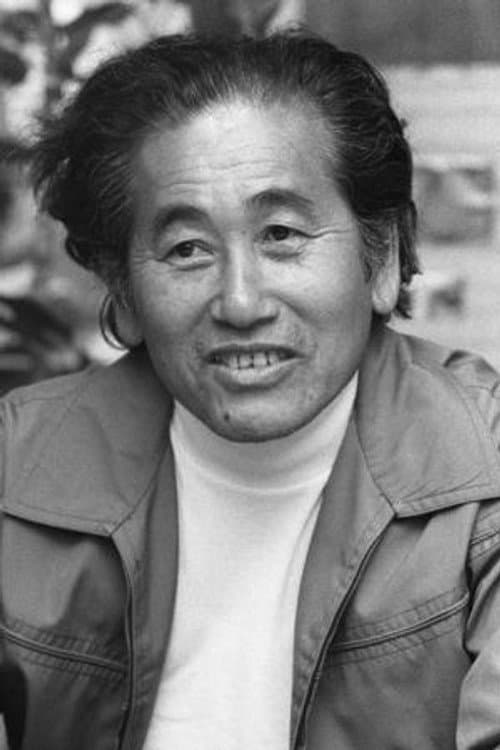
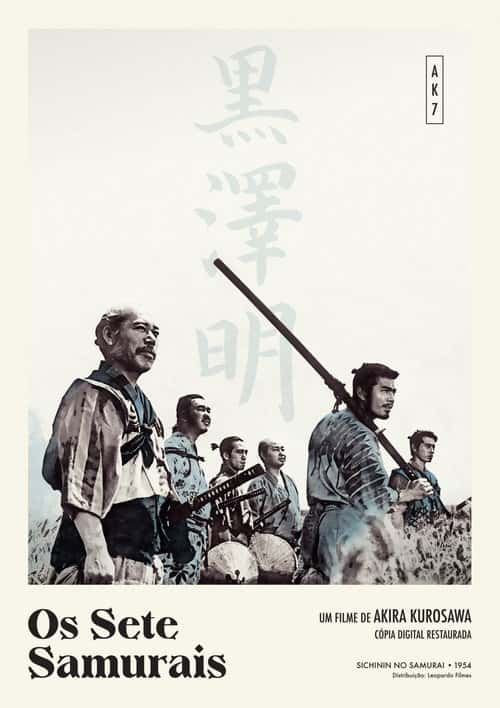
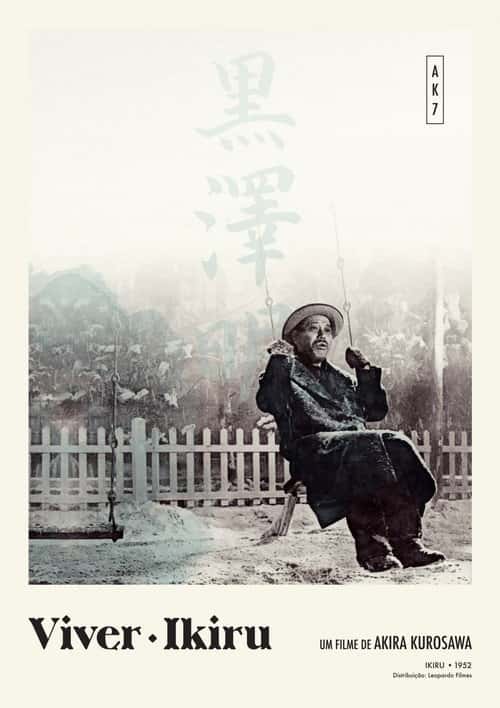
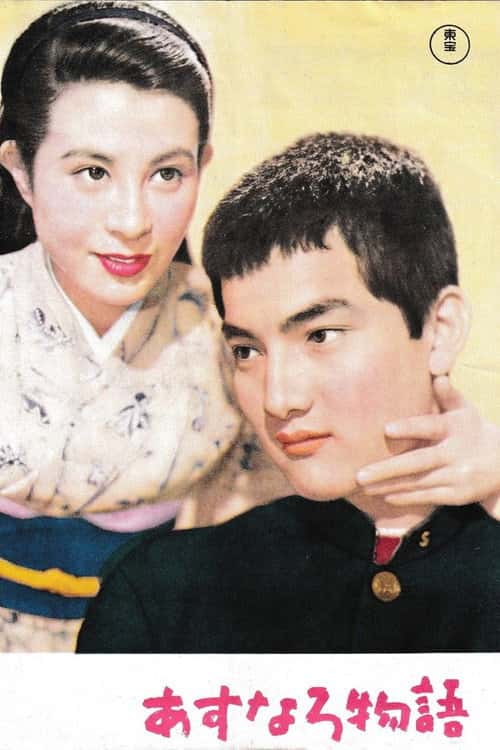
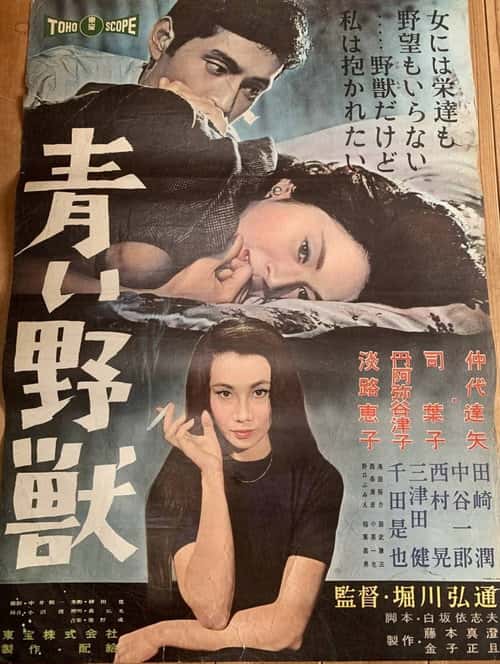
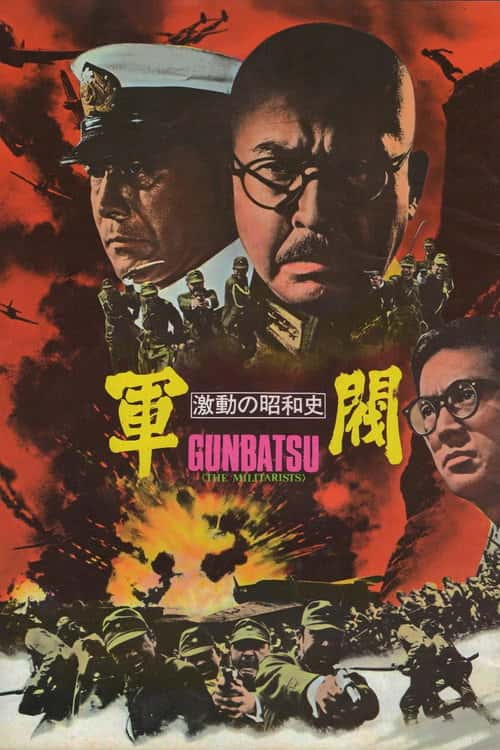
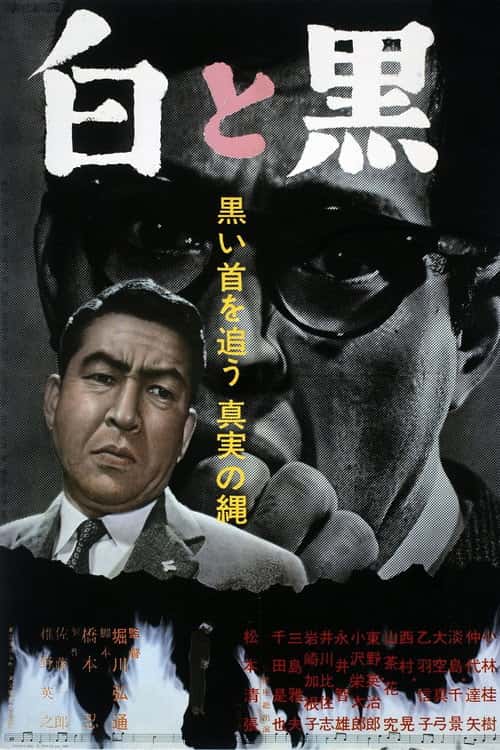
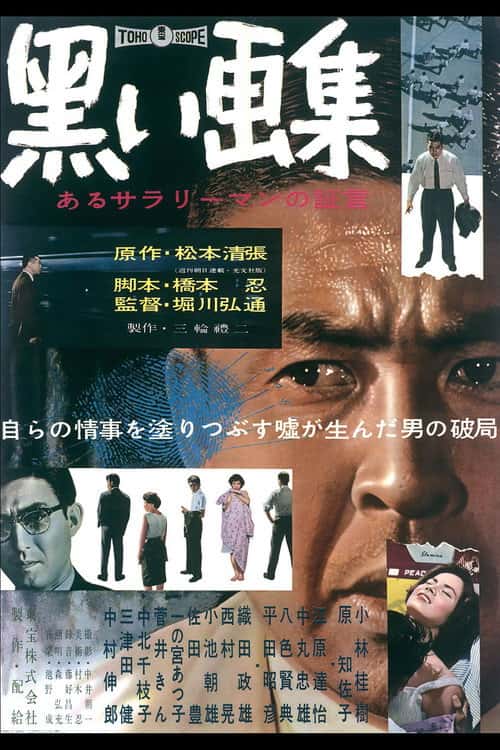
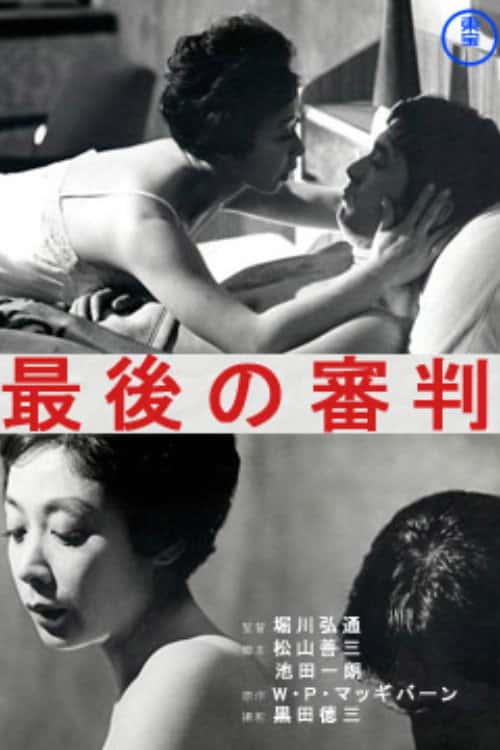
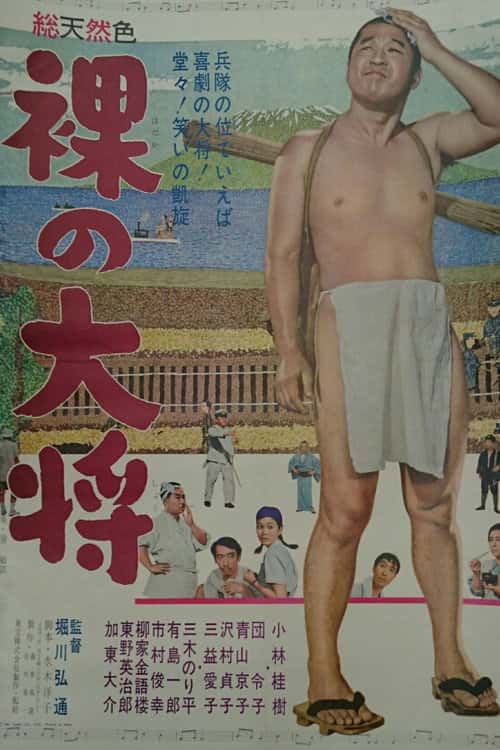
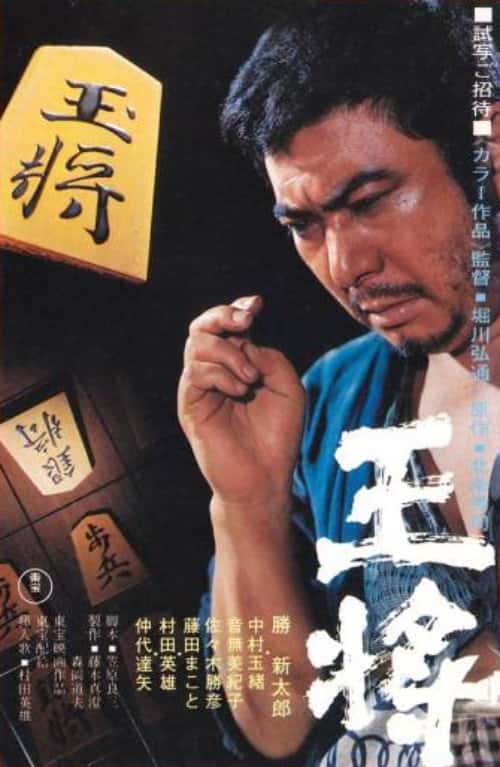
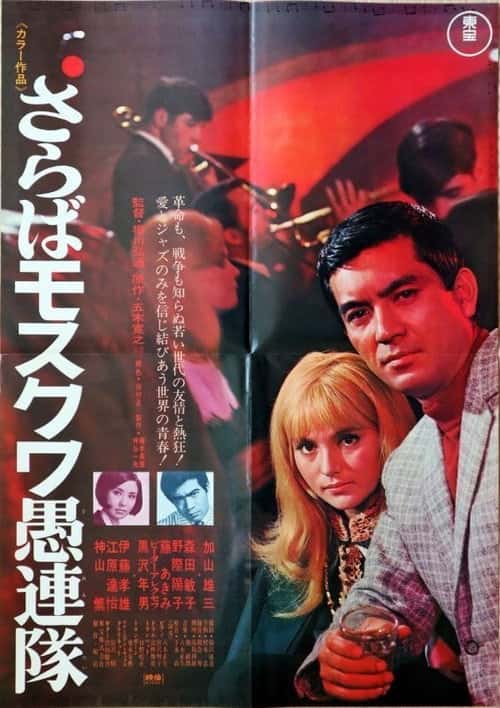
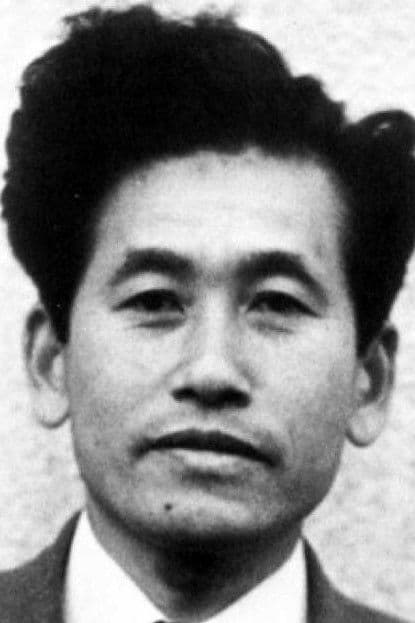
Hiromichi Horikawa (28 November 1916 – 5 September 2012) was a Japanese director and assistant director. Akira Kurosawa’s assistant on numerous films including Ikiru (1952) and Seven Samurai (1954), Horikawa never achieved his mentor’s fame. Kurosawa himself scripted his directorial debut, Tomorrow I’ll Be a Fire-Tree (1955), about an adolescent and the first three women in his life. A concern with youthful experience was also visible in Horikawa’s second and third films, Summer in Eclipse (1956), a taiyōzoku (“sun tribe”) film based on a Shintarō Ishihara novel, and Last Days of the Samurai (1957), a reworking of the Chūshingura story that focused particularly on the youngest of the participating ronin and his fiancée. Another retelling of a classical Japanese story was the Chikamatsu adaptation The Oil-Hell Murder (1957), after which Horikawa returned to contemporary subject matter with The Naked General (1958), a portrait of mentally handicapped collage artist Kiyoshi Yamashita. During the sixties, Horikawa made several thrillers, the socially conscious aspects of which suggest the continuing influence of Kurosawa while also evoking Masaki Kobayashi, whose regular actor Tatsuya Nakadai appeared in The Blue Beast (1960), Pressure of Guilt (1963), and The Last Judgement (1965). Later, Horikawa’s drama Good-bye Moscow (1968) used the relationship between a Japanese jazz pianist, an American soldier on leave from Vietnam, and a group of young Russian dissidents as a metaphor for Japan’s situation in the Cold War era. The Militarists (1970) was a critical biopic of General Tōjō, which dramatized the military coup of February 26, 1936, while Sun Above, Death Below (1968) was a conventional if snappily edited thriller about a doomed hitman.